
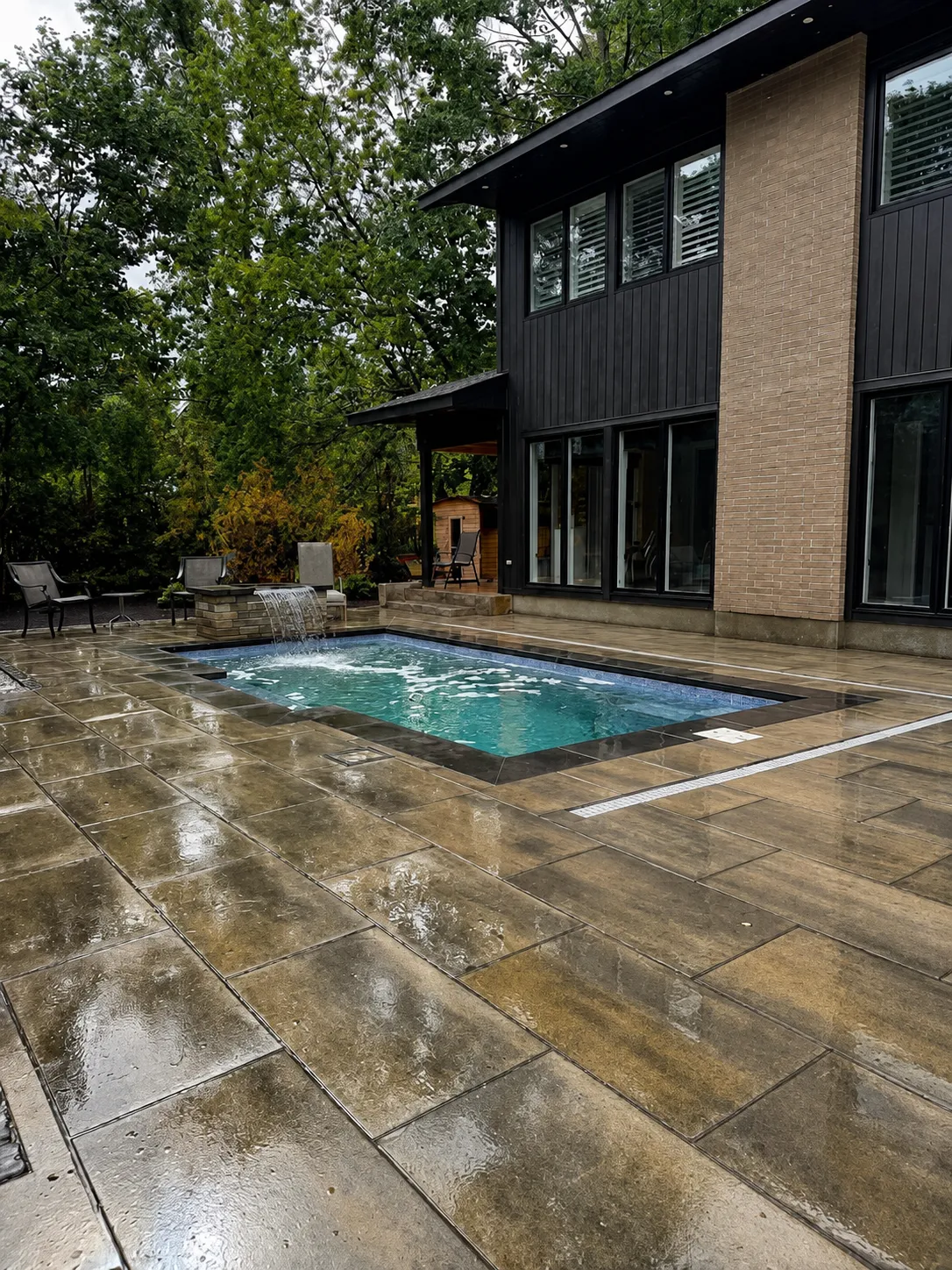
Front Yard Landscaping in Greely: Combining Curb Appeal With Practical Design
Your front yard welcomes visitors, frames your home and supports everyday activities such as parking, carrying groceries and clearing snow. A successful landscape brings these functions together in a way that looks intentional and feels comfortable to use.
When planning front yard landscaping in Greely, it helps to look beyond individual plants or paving colours. The relationship between your driveway, walkway, entrance and garden beds determines how the space works as a whole.
At One Cut Landscape & Design, we help homeowners consider both appearance and function. From interlock walkways and driveway improvements to armour stone and softscaping, we plan features around the property and the people using it.
Whether you want to refresh an established garden or redesign the entire front yard, the following ideas can help you create a welcoming, practical outdoor space.
Begin With What Works and What Needs Improvement
Before deciding what to install, take a careful look at your existing front yard.
Walk from the street and driveway to your front door. Notice whether the route is obvious, whether steps feel awkward and whether plants crowd the path. Look at the property from inside your home as well as from the road.
Write down the problems you would like to solve. These might include:
A narrow or indirect front walkway.
Overgrown shrubs blocking windows.
Garden beds that require too much maintenance.
Uneven paving or persistent puddles.
An entrance that feels disconnected from the driveway.
Too many unrelated materials or decorative features.
The University of Maryland Extension’s landscape planning guide recommends assessing existing features, growing conditions and problem areas before developing a design. This approach helps identify what is worth retaining and where changes will be most useful.
You may not need to replace everything. Keeping a healthy tree, a useful section of walkway or established planting can provide a starting point for the new layout.
Give the Front Entrance a Clear Role
The front door should be easy to find and comfortable to reach.
A walkway that clearly connects the driveway to the entrance helps visitors understand where to go. Planting and decorative features can reinforce that route without obstructing it.
Consider how the entrance works when someone is carrying bags, accompanying a child or waiting for the door to open. Allow enough space at the approach and landing for those activities.
If the garage is visually dominant, a well-planned walkway and planting arrangement can help draw attention toward the front door. That does not require an elaborate design. Often, a clear route and a few coordinated elements are enough.
Before approving the layout, check door swings, existing steps and the placement of planters or other movable items.
Balance Paving With Green Space
A front yard needs sufficient hard surface for parking and access, but planting contributes to its overall character.
Rather than paving every available area, identify how much space is needed for vehicles and everyday movement. Then consider where garden beds, lawn or trees can fit without interfering with those functions.
The Royal Horticultural Society’s front garden design guidance explores ways to combine parking with greenery. Its layout ideas can provide inspiration, while materials, planting and drainage details should be adapted to your Greely property.
For a larger front yard, avoid scattering small features across the entire lawn. A few well-proportioned planting areas can create a more cohesive appearance.
For a compact frontage, keep circulation simple. A clear walkway and carefully sized garden beds may provide more value than several decorative elements competing for space.
Plan an Interlock Walkway Around Everyday Use
An interlock walkway can connect the driveway, front entrance and other parts of the property.
Start with its route and width before selecting the pattern. A path should accommodate the way people actually move rather than forcing an unnecessary detour.
A gentle curve may suit the landscape, but excessive bends can feel inconvenient. Consider whether people will take a shortcut across the lawn when approaching the door.
Discuss these details during planning:
Walkway detail | Practical question to ask |
|---|---|
Route | Does it connect the places people use most? |
Width | Is there comfortable room for normal household traffic? |
Surface | Is the product suitable for exterior pedestrian use? |
Elevation | How will it meet steps, the driveway and existing ground? |
Drainage | Where will water go after rainfall or snowmelt? |
Winter access | Can the route be cleared without damaging nearby features? |
The supporting construction matters as much as the visible surface. The Concrete Masonry & Hardscapes Association’s construction guide describes the main components of conventional interlocking pavement, including ground preparation, base materials, bedding and edge restraints. Installation details should suit the selected product and site.
Choose Materials That Work With the House
A front landscape usually feels more unified when its materials relate to the home’s exterior.
Look at the colours and textures already present in the brick, siding, trim and foundation. Use those as a reference when comparing paving, wall materials and natural stone.
An exact colour match is not always necessary. A complementary combination may create a clearer distinction between the house and landscape while still feeling coordinated.
Limit the number of competing finishes. If you already have detailed brickwork, a simpler paving pattern may work well. If the exterior is restrained, natural stone or textured planting can add interest.
Review samples outdoors. Materials can look different in sunlight, shade and wet conditions, so photographs alone may not communicate the final effect.
Design Garden Beds for Mature Plants
New planting often looks small on installation day. That can make it tempting to place shrubs closely together or add more plants than the space can support.
Plan for mature size instead.
Consider how tall and wide each plant is expected to become and how that growth will affect windows, walkways and neighbouring plants. Leave room for maintenance access.
The University of Minnesota Extension’s landscape resources emphasize matching plants to their location and purpose. Light, soil, spacing and intended use all influence whether a planting scheme remains healthy and manageable.
For a Greely front yard, confirm local suitability rather than copying a plant list from a photograph taken elsewhere.
Think about seasonal appearance too. A design can include flowering plants, foliage and structural elements that contribute at different times of year without making every bed complicated.
Check Soil Before Replacing Struggling Plants
If the same area repeatedly produces weak plants or patchy growth, investigate the conditions before buying replacements.
Sun exposure, drainage, compaction and soil chemistry may all influence performance. A different plant may help, but only if its needs match the site.
Penn State Extension’s soil testing guidance explains how testing can inform decisions about soil fertility, pH and amendments. A suitable local testing service can provide information relevant to your proposed planting.
Testing does not replace a physical assessment of the soil. An area with poor drainage or heavily compacted ground needs those conditions considered as well.
Ask what soil preparation is included in the landscaping proposal. This helps distinguish a complete planting installation from simply placing new plants into existing ground.
Use Armour Stone With a Clear Purpose
Armour stone can introduce natural texture and help define a garden or entrance feature.
In a front yard, it may work as a focal point within planting, a substantial border or part of a properly designed retaining feature.
Choose its scale carefully. Large pieces can overwhelm a small bed, while a few thoughtfully positioned stones may provide enough visual interest for a larger area.
Keep vehicle clearance and sightlines in mind when placing stone near a driveway. Consider where snow removal equipment operates and where snow will be stored.
If the stone will retain soil, discuss the structural and drainage requirements before selecting its appearance. A decorative border and a retaining wall are different types of work.
Address Water Movement Before Adding Finishes
Front yard improvements should account for how water moves across the property.
Point out areas where puddles form, soil washes away or snowmelt collects. Photographs taken during those conditions can help explain what happens when the site is wet.
A new walkway, raised bed or driveway edge may alter existing water routes. Ask how the proposed elevations will connect with the house and surrounding ground.
Do not assume that adding topsoil or installing paving will resolve a drainage problem. The underlying cause needs to be understood.
Where a property has a roadside ditch or culvert, include it in the site review. Avoid treating those features as spare space for planting, fill or decorative stone. Confirm any requirements before proposing changes.
Plan for Snow Storage and Winter Access
A front yard in Greely needs to remain practical beyond the growing season.
Identify where snow from the driveway and walkway is normally placed. Keep that area in mind when choosing plants, positioning stone and arranging decorative features.
A narrow path bordered by fragile planting may be difficult to clear. Likewise, a feature placed near a turning area can become hard to see when snow accumulates.
Discuss the snow removal method you use. Hand shovelling, a snowblower and a contracted plow can have different space requirements.
If deicing products are used, consider nearby plants and follow the paving manufacturer’s care guidance. Planning these details early can reduce avoidable maintenance problems later.
Make Maintenance Part of the Layout
A low-maintenance front yard begins with a realistic understanding of the work you want to do.
Some homeowners enjoy caring for flowers and changing seasonal containers. Others prefer a simpler combination of lawn, shrubs and durable hard surfaces.
The RHS guide to low-maintenance gardening explains how planning can reduce routine work while acknowledging that every garden still requires some care.
Look for details that could create unnecessary tasks. Narrow strips of lawn can be awkward to mow. Closely spaced shrubs may need frequent pruning. Numerous small containers can require regular watering.
Group planting areas where practical and preserve access for their care. The aim is a landscape that you can maintain comfortably, rather than one that looks good only immediately after installation.
Coordinate Lighting and Service Access
Think about how the front entrance functions after dark.
Identify the places where visibility matters most, such as steps, changes in direction and the approach to the door. Any lighting plan should help people navigate while avoiding unnecessary glare.
If new lighting is being considered, coordinate the required electrical work with the appropriate professional before finished surfaces are installed.
Also preserve access to utility equipment, drainage components and other service points. If your property includes a well or septic system, make its location known before excavation and layout decisions.
These practical features may not dominate the finished appearance, but they can strongly influence where landscaping should go.
Set Priorities for Your Budget
A front yard project does not need to happen all at once.
Start with the issues that affect access and function. Drainage concerns, damaged surfaces and awkward entrance connections may deserve attention before decorative additions.
Then consider which changes will have the greatest visual effect. A better walkway, appropriately sized planting beds or removal of overgrown shrubs may transform the frontage without replacing every element.
A phased plan might begin with preparation and hardscaping, followed by planting and optional accents. Coordinate the complete layout first so later work does not disturb newly finished areas.
Request a written quotation that explains removal, excavation, materials, installation and restoration. Confirm whether cleanup and repairs to affected lawn areas are included.
Frequently Asked Questions About Front Yard Landscaping in Greely
1. What should I improve first in my front yard?
Start with problems affecting access, drainage or daily use. Then focus on the entrance, walkway and planting areas that shape the overall appearance. A site assessment can help identify which improvements should happen together.
2. Can I improve curb appeal without replacing the entire landscape?
Yes. Selective changes such as refreshing garden beds, replacing overgrown plants or improving the route to the door can make a noticeable difference. Retaining healthy, useful features can also help control the scope and budget.
3. How do I choose plants for my front yard?
Consider sunlight, soil, moisture, exposure and mature size. Think about maintenance and seasonal appearance as well. Confirm that the selected plants suit your particular location in Greely rather than choosing solely from photographs.
4. Should my walkway match my driveway?
The materials should work together, but they do not need to be identical. Coordinated colours or a shared border detail can connect different surfaces. Planning them together also helps resolve elevations and transitions.
5. Can armour stone work in a small front yard?
It can, provided the pieces suit the available space and do not obstruct access. A limited number of carefully placed stones may work better than a continuous border. Delivery and equipment access also need consideration.
6. What should I prepare for a landscaping consultation?
Bring photographs, inspiration images, your priorities and a budget range. Mention drainage issues, snow storage, underground services and features you want to keep. A survey or existing site plan is helpful if available.
Plan Your Greely Front Yard With One Cut Landscape & Design
A welcoming front yard should look coordinated and make everyday use easier. The strongest results come from planning the entrance, driveway, walkways and planting as connected parts of the property.
At One Cut Landscape & Design, we help you explore those decisions through landscape design, interlock, natural stone and softscaping. Whether you want a focused refresh or a complete front yard transformation, we can help you develop a plan around your home and priorities.
Contact us to discuss front yard landscaping in Greely and request a quote.