
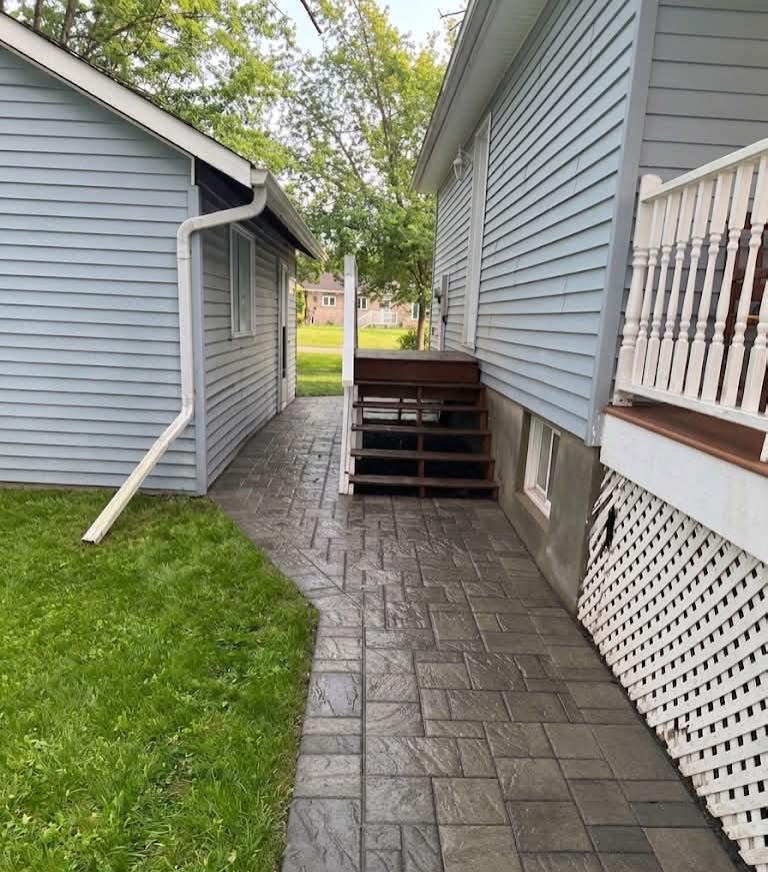
Front Yard Landscaping in Stittsville and Nepean: Ideas for a More Welcoming Entrance
Your front yard shapes the first impression of your home. A clear walkway, balanced planting, and a well-defined entrance can make the property feel more welcoming while improving how you use the space. In Stittsville and Nepean, front yard landscaping should also suit the home, the lot, and the seasonal conditions the landscape will experience.
A successful design doesn’t need to be elaborate. It should guide visitors toward the entrance, make the yard feel cared for, and bring together plants, hardscape, and existing features in a cohesive way.
Begin With the Entrance
Start by looking at how people approach your home. Consider the route from the sidewalk or driveway to the front door. Is it easy to follow? Does it feel wide and comfortable? Are there areas where visitors need to cross lawn or step around planting?
A walkway should lead naturally to the entrance. If the route is unclear, a more defined path can help organize the front yard and make the entry feel more inviting. The path’s position should work with the driveway, steps, porch, and property boundaries.
Also consider what visitors see as they approach. A clear view of the front door can make the entrance easier to find. Planting can frame the route, but shrubs should not block the walkway or obscure windows and sightlines.
Use a Walkway to Add Structure
A walkway is both a practical route and a major visual feature. Its material and shape influence the character of the front yard. Interlocking pavers, natural stone, and other hardscape options can create different looks, from formal and structured to more natural and relaxed.
When planning a walkway, consider:
The route people will take to reach the door
How it connects to the driveway and sidewalk
Whether steps or a change in grade are needed
How the surface will coordinate with the home
Where rainwater will move after it reaches the path
A straight path can create a direct, formal approach. A gentle curve may suit a more informal garden design, provided it remains easy to follow. The right layout depends on the architecture, available space, and how you want the entrance to feel.
Create Garden Beds With a Clear Shape
Garden beds can soften hard surfaces and add colour and texture to the front yard. Their shape should complement the home and walkway. A defined bed along the foundation or path can make the landscape appear more organized.
Avoid creating too many small, disconnected planting areas. A few well-planned beds often create a calmer, more cohesive effect. Bed edges can follow the lines of the house, walkway, or driveway, helping the different parts of the yard feel connected.
Consider how much planting space you can maintain. A thoughtful layout should leave enough room for plants to grow without crowding the entrance, covering windows, or narrowing the path.
Choose Plants for Year-Round Interest
Planting can give the front yard a sense of depth and welcome across the seasons. Combine plants with different heights, textures, and bloom times to create visual interest without making the design feel busy.
A balanced planting plan may include:
Small shrubs to add structure
Perennials for seasonal colour
Ornamental grasses for texture and movement
Ground cover to fill spaces near the edges
A focal plant near the entrance or walkway
When choosing plants, consider sunlight, soil, mature size, and maintenance needs. A plant that looks small at installation may eventually outgrow its space. Leave room for mature growth so shrubs and flowers don’t block paths or require frequent trimming.
Evergreen plants can help maintain structure during colder months, while perennials and flowering shrubs can bring colour at different times of year. The best selection depends on the property’s conditions and the look you want.
Make the Front Steps Part of the Design
Front steps connect the walkway to the entrance and deserve attention as part of the overall landscape. Their material should coordinate with nearby hardscape and the home’s exterior. If existing steps are worn or do not fit the updated design, consider how they can be repaired or incorporated into a new layout.
The transition between the walkway, steps, and porch should feel natural. Consistent surfaces and clear edges can help the entrance look more finished. For changes in elevation, the design should also consider comfortable access, visibility, and drainage.
Add Lighting for Visibility and Warmth
Outdoor lighting can make the front entrance easier to navigate after dark and create a welcoming appearance in the evening. Consider lighting near the walkway, steps, and entrance. Fixtures should provide useful visibility without creating glare.
Lighting can also highlight planting, a stone path, or an architectural feature. Keep the arrangement simple and coordinated with the home. Planning fixture placement alongside the landscape layout can help avoid awkward locations and support a more cohesive result.
Plan for Water and Seasonal Conditions
Rainwater should be considered when planning walkways, garden beds, and planting. Paved surfaces can direct runoff toward nearby areas, so the layout and grading should provide a suitable route for water. Avoid creating low spots where water may collect beside the entrance or along the walkway.
Take note of downspouts and existing drainage patterns. If water regularly pools near the foundation or washes soil from garden beds, those concerns should be addressed as part of the landscape plan.
In Stittsville and Nepean, outdoor spaces experience changing seasonal conditions. Material selection, surface preparation, and drainage details can all affect how a landscape performs over time. A site assessment can help identify conditions that may influence the design.
Coordinate the Design With Your Home
The front yard should complement the home rather than compete with it. Consider the colours and materials already present in the brick, siding, roof, trim, and front door. A coordinated palette for paving and planting can make the entrance feel intentional.
The scale of the landscape also matters. A large feature may overwhelm a compact front yard, while a small path or planting bed may feel lost on a wider property. Proportion the walkway, garden beds, and focal points to the home and available space.
If the front yard includes a driveway, fence, mature trees, or existing walls, account for these features before finalizing the layout. A design that works around them can feel more integrated than one that treats each element separately.
Build a Welcoming Entrance That Works for You
Front yard landscaping in Stittsville and Nepean can improve the appearance and function of your home’s entrance. A clear walkway, thoughtfully shaped garden beds, suitable plants, coordinated steps, and well-planned lighting can work together to create a more inviting approach.
Start by deciding what matters most: a more direct route, lower-maintenance planting, improved drainage, or a refreshed entrance. One Cut Landscape & Design can help homeowners plan front yard landscaping as part of a coordinated outdoor design. A site-specific plan can bring practical needs and curb appeal together.