
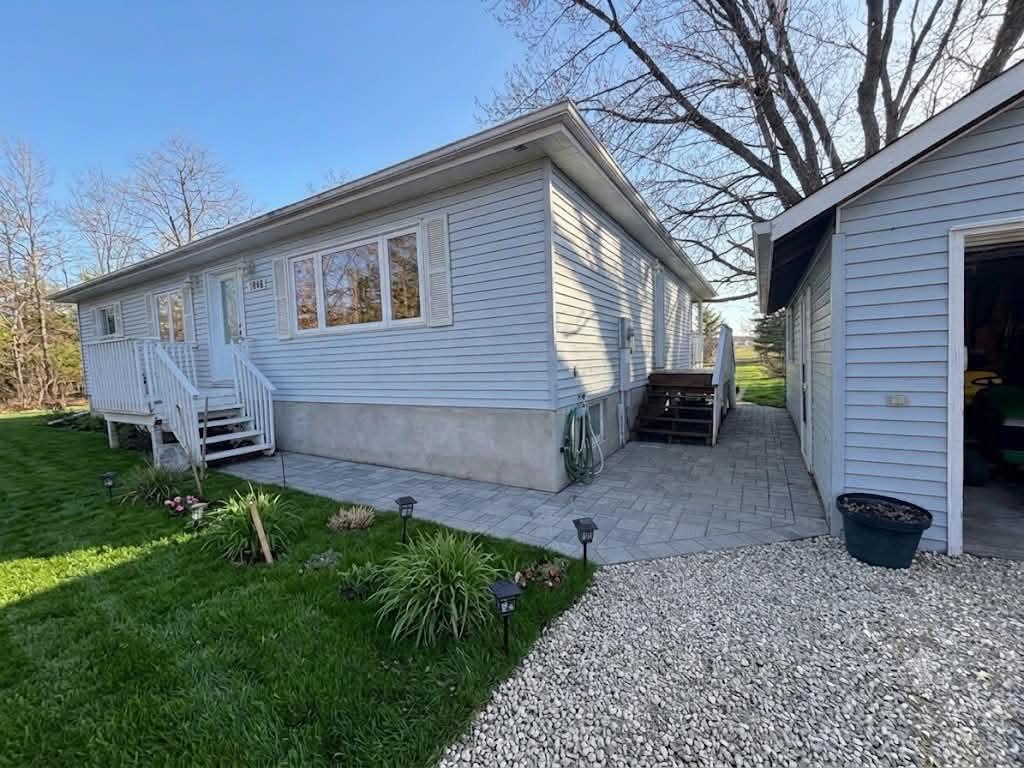
Interlock Driveways in Nepean: What to Know Before Installation
Your driveway is one of the most frequently used parts of your property. It needs to accommodate vehicles, provide a practical route to your home and work with the surrounding landscape. Its appearance matters, but so does what happens beneath the finished surface.
For homeowners considering interlock driveways in Nepean, a successful project begins before the first paver is installed. Material selection, excavation, drainage, edge support and construction access all deserve attention during planning.
At One Cut Landscape & Design, we help homeowners consider how a driveway connects with their entrance, walkways and outdoor space. A thoughtful plan brings these elements together while addressing the practical demands of daily use.
This guide explains what to review before installation, what to ask when comparing quotations and how to prepare for your new interlock driveway.
What Is an Interlock Driveway?
An interlock driveway commonly consists of individual concrete pavers installed over a prepared supporting pavement structure. The pavers, joints, bedding, base and edge restraints work together as a system.
Unlike a single poured surface, the driveway is assembled from separate units. This allows flexibility in colours, patterns and borders. Depending on the installation, sections may also be lifted and reinstated for repairs or access.
The Concrete Masonry & Hardscapes Association’s application guide provides background on interlocking concrete pavement systems and their uses. The appropriate construction depends on the site and expected traffic, so the finished appearance should be considered alongside the pavement design.
An attractive paver does not automatically make a suitable driveway. The chosen product and its supporting installation need to accommodate vehicles.
Start With How Your Household Uses the Driveway
Before selecting colours, explain your parking and access needs to the contractor.
Consider the number and type of vehicles you use, where people walk and whether the driveway serves other purposes. Occasional parking for a heavier vehicle should be discussed rather than assumed to be covered by a standard proposal.
Useful questions include:
Can vehicle doors open comfortably beside planting beds or walls?
Is there a clear walking route to the front entrance?
Can you access the garage when vehicles are parked?
Where will snow be stored?
Do you need space for bins, bicycles or deliveries?
Are there existing steps or transitions that feel awkward?
A measured layout can help reveal conflicts. For example, a decorative planting island might look appealing on a drawing but reduce useful door-opening space.
If widening or changing the driveway entrance is part of your plan, identify that early so project-specific municipal requirements can be checked before construction.
Assess the Existing Driveway and Ground Conditions
An existing driveway can provide clues about the property.
Point out areas where the surface has settled, where water collects and where edges have moved. Explain whether problems occur throughout the year or mainly after winter.
Photographs taken during rainfall or spring melt can be useful when conditions are dry during the consultation.
Ask the contractor how the existing driveway will be assessed. Reusing underlying material should be based on its suitability and condition, not simply on the fact that it is already there.
Also discuss nearby trees, roots, utility routes and features you want to retain. These may affect excavation and the proposed layout.
A quotation should explain the planned preparation and how unforeseen conditions will be handled. This helps avoid uncertainty if the ground exposed during removal differs from what was expected.
Choose Pavers Approved for Vehicle Use
Driveways place different demands on paving than pedestrian patios.
Confirm that the specific paver is suitable for the intended vehicular application. Product thickness, dimensions and installation requirements should be checked against the manufacturer’s guidance.
Do not assume that every large-format slab can be used where vehicles park or turn. Similar-looking products may have different permitted uses.
When reviewing samples, consider more than colour:
Selection factor | What to discuss |
|---|---|
Intended use | Whether the product is approved for the expected vehicle traffic |
Surface texture | How it feels and performs in the proposed setting |
Colour variation | How individual units blend across a larger area |
Dimensions | How the product works with the layout and required cuts |
Borders | Whether border units suit the same traffic conditions |
Care requirements | Recommended cleaning, winter care and sealing guidance |
Keep the product name and specification with your project documents. These details are useful for future maintenance or replacement.
Coordinate the Driveway With Your Home
The driveway occupies a substantial part of many front yards, so its design should relate to the house and entrance.
Look at existing brick, siding, trim and stonework when choosing colours. A coordinated palette can connect the driveway with the property without requiring an exact match.
Patterns should also suit the scale of the space. A simple layout may work well beside a detailed exterior, while a restrained border can define the driveway without making it visually busy.
Ask how the proposed pattern affects cutting and material quantities. Curves, multiple colours and intricate details can add labour.
Consider the connection to the front walkway at the same time. Planning these surfaces together makes it easier to coordinate widths, elevations and appearance.
Understand What Base Preparation Includes
Much of the work that supports an interlock driveway will be hidden when the project is finished.
The CMHA construction guide for interlocking concrete pavements outlines stages including excavation, subgrade preparation, base placement, bedding, edge restraints and paver installation. The appropriate details depend on the pavement system and site conditions.
Ask your contractor to describe the proposed supporting construction in plain language. Discuss excavation, material removal, aggregate placement and how the installation will be checked during the work.
There is no useful universal excavation depth for every Nepean driveway. A proposal should respond to the actual ground conditions, intended loading and selected system.
When comparing quotations, make sure each includes a clearly described preparation scope. Two driveways may look similar on completion while differing in the work beneath them.
Resolve Drainage Before Installation
A new driveway changes a large surface on your property. Its elevations and drainage should be planned before paving begins.
Discuss where water currently travels and where it will go after installation. Pay attention to the garage threshold, front steps, adjacent lawn and any low areas.
Ask how the finished driveway will connect to existing surfaces without creating an awkward transition or directing water toward vulnerable areas.
Standard interlock should not be treated as a drainage solution simply because it has joints. If permeable paving is proposed, it needs to be designed as a complete system.
Avoid accepting a layout that leaves water movement unexplained. Appearance and drainage need to be considered together.
Is Permeable Interlock an Option?
Permeable interlocking concrete pavement is designed to manage water through its surface and underlying structure.
Its suitability depends on site conditions and the proposed drainage arrangement. Ask why it is appropriate for your property and how water will be managed within the system.
Maintenance also differs from conventional interlock. The CMHA maintenance guide for permeable interlocking concrete pavements discusses care needed to preserve performance, including attention to sediment and surface infiltration.
Before choosing this option, understand the inspection and cleaning responsibilities. Nearby exposed soil, debris and winter maintenance practices should be included in the discussion.
Permeable paving is a specific design choice, not a feature that can be assumed from the appearance of the pavers.
Pay Attention to Edges and Transitions
Driveway edges need careful detailing, especially where paving meets lawn, planting beds or another surface.
The CMHA guide to edge restraints explains their role in interlocking pavement construction. The restraint should be appropriate for the pavement system and surrounding conditions.
Ask how the perimeter will be supported and finished. A contrasting row of pavers may create a decorative border, but its appearance alone does not explain the structural edge detail.
Review transitions at the garage, walkway and street end of the driveway. These locations deserve attention because they affect everyday access and the relationship between new and existing work.
If a section will remain unchanged, clarify how the new installation will meet it.
Compare Complete Quotations
A square-foot price is not enough to compare driveway proposals accurately.
Ask for a written scope that identifies the paver product, proposed area, removal work, preparation, installation and finishing.
A useful quotation should also clarify:
Disposal of existing paving and excavated material.
Drainage work included in the price.
Borders and pattern details.
Restoration of affected lawn or planting areas.
Delivery, access and cleanup arrangements.
How changes or unexpected conditions are priced.
Written warranty coverage and exclusions.
If one quotation is significantly lower, ask which parts of the scope differ. A simpler design may legitimately cost less, but missing preparation or restoration work can make comparisons misleading.
Share your budget early. This gives the contractor a chance to discuss layout and material options before detailed planning goes too far.
Prepare for Temporary Loss of Driveway Access
Driveway construction can affect parking, deliveries and access to the garage.
Agree on an alternative parking arrangement before work starts. Move vehicles and any items you may need from the garage if access will be restricted.
Discuss where equipment and materials will be placed and how people will safely reach the house during construction.
Underground utilities and private buried services need to be addressed before excavation. Tell the contractor about known irrigation, lighting or other installations near the work area.
Ask how schedule updates will be communicated. Weather, deliveries and unexpected site conditions can affect progress.
Before using the completed driveway, obtain the installer’s instructions about when walking, parking and normal vehicle use can resume.
Plan for Cleaning and Winter Care
A new interlock driveway still needs maintenance.
Keep leaves and debris from accumulating, deal with spills promptly and inspect the surface periodically. Follow the product manufacturer’s recommendations for cleaning and winter care.
The CMHA operation and maintenance guide provides guidance on caring for conventional interlocking pavement and identifying conditions that may need attention. Permeable systems have separate maintenance requirements.
Discuss snow removal methods with the installer and anyone who will maintain the driveway. Confirm suitable equipment practices and deicing products for the selected paving.
Ask whether spare pavers can be retained. Having matching units available can make future repairs easier.
Decide Whether Sealing Fits Your Goals
Sealing is not automatically required for every interlock driveway.
Some homeowners want a particular finish, while others prefer the original appearance of the paving. The product’s existing treatment and the sealer’s compatibility both matter.
The CMHA guide to cleaning, sealing and joint sand stabilization notes that sealers can change the appearance of pavers. Review the manufacturer’s instructions and test the intended finish before committing to a full application.
Ask about timing, preparation and future reapplication. A sealing decision should include the ongoing maintenance commitment, not just the initial appearance.
Frequently Asked Questions About Interlock Driveways in Nepean
1. How much does an interlock driveway cost?
Cost depends on size, product selection, removal work, ground conditions, access, drainage and design complexity. Request a site-specific quotation with a complete scope. Comparing only a square-foot price can overlook important differences between proposals.
2. Can the existing driveway base be reused?
Possibly, but only after its condition and suitability are assessed. Existing material may not provide the required support or elevations for the proposed system. Ask how the contractor will evaluate it and what happens if additional removal or preparation is needed.
3. How long does installation take?
The schedule depends on the project’s size, removal requirements, site conditions, layout and weather. Ask for an estimated construction period and an explanation of possible delays. Confirm parking arrangements and when normal driveway use can resume.
4. Can interlock handle winter conditions in Nepean?
A suitable paving product and properly designed installation can be used in climates with freezing conditions. Product selection, site preparation, drainage and maintenance all matter. Follow the manufacturer’s winter care instructions rather than assuming every paver tolerates the same treatment.
5. Can a sunken section be repaired?
Many conventional interlock systems allow sections to be lifted and reinstated. The cause of settlement should be investigated so the repair addresses more than the visible surface. The appropriate scope depends on the condition of the supporting materials and surrounding driveway.
6. Should I install the front walkway at the same time?
Planning both together can help coordinate materials, elevations and access. It may also avoid disturbing newly completed work later. Whether to build them in one phase depends on your budget and the condition of the existing walkway.
Plan Your Nepean Driveway With One Cut Landscape & Design
A well-planned interlock driveway combines a suitable layout, coordinated materials and careful attention to construction.
At One Cut Landscape & Design, we help homeowners consider how their driveway works with the entrance, walkways and surrounding landscape. From the initial design discussion to preparation and finishing details, we focus on the needs of your property and daily routine.
Contact us to discuss your interlock driveway in Nepean and request a quote.